Q1 2027 Restock Playbook: Landing Glassware Before the February Slowdown
CNY 2027 (February 6) shuts Chinese glassware production for 6–8 weeks from mid-January — eleven days earlier than 2026, overlapping the two weeks when Western buying teams run at half strength. This playbook gives B2B buyers the two hard deadlines (December 20 ocean-freight deposit, December 15 artwork approval for Q1 private-label projects), the 6–8 week safety-stock formula with worked examples, a four-order-type clock (ocean restock, stock top-up, air-freight bridge, private-label tooling), a month-by-month factory capacity ramp table, an ocean vs air landed-cost comparison for heavy glass ($4–$9/kg air vs $2,000–$5,000/container ocean), a Q1 risk map with dated counter-moves (pre-CNY freight +50–100%, post-CNY port congestion adding 1–2 weeks, quality drift during the 67–75% worker-return ramp), and the post-CNY QC plan (AQL 2.5 final inspection, pilot-run gating for decorated SKUs, per-batch heavy-metal retests, tooling condition checks). Ready-stock pricing from $0.60 FOB; MOQ 300 pcs across mixed SKUs; FDA/LFGB/CE/UKCA/Prop 65 certified. From iWine (Yancheng PO SIDENG), a 13-year glassware factory producing 3.5 million units annually for 30+ countries.
On this page
- The Two Deadlines That Decide Your Q1
- The 6–8 Week Safety Stock Formula
- Four Order Types on the Q1 Clock
- Month-by-Month Factory Capacity: What Your PO Competes Against
- Ocean vs Air: The Landed-Cost Reality for Glassware
- The Q1 Risk Map — and the Counter-Move for Each
- Q1 2027 Pricing & MOQ Benchmarks
- The Post-CNY QC Plan (Don't Skip This)
- 3 Mistakes That Sink Q1 Margins
- How to Get Started with iWine
- Option 1: Send a Quick Quote (24h Response)
- Option 2: Chat on WeChat (Fastest for OEM)
- Option 3: Submit the Full Quote Form
- FAQ: Q1 2027 Glassware Restock
- Ready to land your Q1 2027 glassware on time?
- About iWine — YANCHENG PO SIDENG LTD.
Post-CNY restock playbook for glassware buyers: ocean vs air freight deadlines, 6-8 week safety stock formula, month-by-month capacity ramp table, post-CNY QC plan. MOQ 300pcs. Get quote in 24h.
For ocean freight: confirm the PO and pay the deposit by December 20, 2026. Production runs 30–45 days, and pre-CNY vessels depart mid-January. Orders confirmed after mid-January roll into the post-CNY restart (mid-February at 50–70% capacity) and typically land in late March or April.
Yes. A common structure is 20% of the quantity by air in early February to protect early-spring promos, with the remaining 80% on ocean freight. Tell us your in-store date and we'll propose the split with a landed-cost comparison for both legs.
Yes. Molds, decal screens, and approved samples are stored at the factory through the holiday. We photograph and log tooling condition before and after the shutdown, and any mold maintenance needed is completed during the restart week — not charged as surprise tooling fees later.
Confirm PO + deposit by Dec 20 → production Jan → vessel mid-January → port Feb → shelf late Feb/March. This is the playbook for 90% of buyers.
Already selling a stock SKU and just need more? In-stock items ship fastest — lock November production slots and beat both the freight surge and the shutdown.
300–2,000 pcs of a stock design flown in February to cover a stockout while your ocean order sails. Expensive per kg, cheap compared to empty shelves.
New molds, artwork, and sample rounds for a spring launch should be quoted and sampled in Nov–Dec, with tooling approved before the shutdown. Production then starts cleanly in the March ramp.
Book vessel space in November. Forwarders quote sharply higher once carriers implement peak surcharges, and space disappears 2–3 weeks earlier than usual in the November squeeze (Double 11 + Black Friday volume).
Expect 1–2 weeks of rolled containers as the backlog clears. Build the delay into your in-store date instead of discovering it in March.
Keep AQL 2.5 final inspection with photo reports on every shipment. Schedule your own spot-check or third-party inspection for the first post-CNY batch.
Labor and materials costs often reset post-holiday. Orders with deposits paid before the shutdown are honored at quoted prices — another reason to confirm early.
January feels early, but by then production slots are gone, vessels are surcharged, and your order competes with the post-CNY backlog. January POs typically land April — a full selling quarter late for spring assortments.
The 6–8 week safety-stock rule exists because the shutdown window (6+ weeks) plus restart ramp regularly stretches total lead time to 10–12 weeks. Retailers who under-stocked in 2026 showed 'out of stock' flags in February — right when spring kitchen resets and wedding-season buying started.
The first 2–3 weeks after the restart carry the highest defect risk of the year. Buyers who skip final inspection on the first post-CNY batch are gambling their Q1 margin on it.
CNY 2027 shuts Chinese glassware production for 6+ weeks starting mid-January. This playbook gives buyers the exact freight deadlines, safety-stock math, and post-CNY QC plan to land Q1 inventory on time — written by the factory side of the table.
Everything else in this playbook is detail. These are the two dates that actually determine whether your glassware lands in February–March or April:
New molds and custom decoration for a spring launch need artwork sign-off, sample rounds, and tooling approval before the shutdown. Miss December 15 and your launch slides to the March production ramp at best — or Q2 if samples bounce.
Formula: (weekly units × 8) + (reorder quantity ÷ 2) . The second term prevents double-ordering — if you already have a replenishment PO sailing, half of it counts toward your buffer.
The first 2–3 weeks after the restart carry the highest quality-drift risk of the year: new and returning workers, refreshed production lines, and a backlog pressing everyone to move fast. Your counter is procedural, not hopeful:
We respond with FOB pricing, MOQ, lead time, ocean vs air options, and compliance cert PDFs within 24 business hours.
, eleven days earlier than 2026, right in the two weeks when Western buying teams are running at half strength.
New molds and custom decoration for a spring launch need artwork sign-off, sample rounds, and tooling approval
the shutdown. Miss December 15 and your launch slides to the March production ramp at best — or Q2 if samples bounce.
. The second term prevents double-ordering — if you already have a replenishment PO sailing, half of it counts toward your buffer.
- Is air freight realistic for glassware?
- How much safety stock should I carry over Chinese New Year?
- What happens to quality right after CNY?
- Can you split my Q1 order — part by air, part by sea?
- Will my tooling and artwork survive the shutdown?
- Pre-CNY peak. Book production slots and vessel space early — November bookings get priority.
- Workers depart in waves. Only confirmed orders with deposits in hand keep their slots.
- Full capacity restored. Best window for new private-label tooling and sample rounds.
- Quality drift during restart ramp
- Q1 stock is ordered in Q4. Period.
- Holding only 3–4 weeks of stock
- Cover the full window, not the official holiday.
- AQL 2.5 inspection + photo report on the first post-CNY batch, no exceptions.
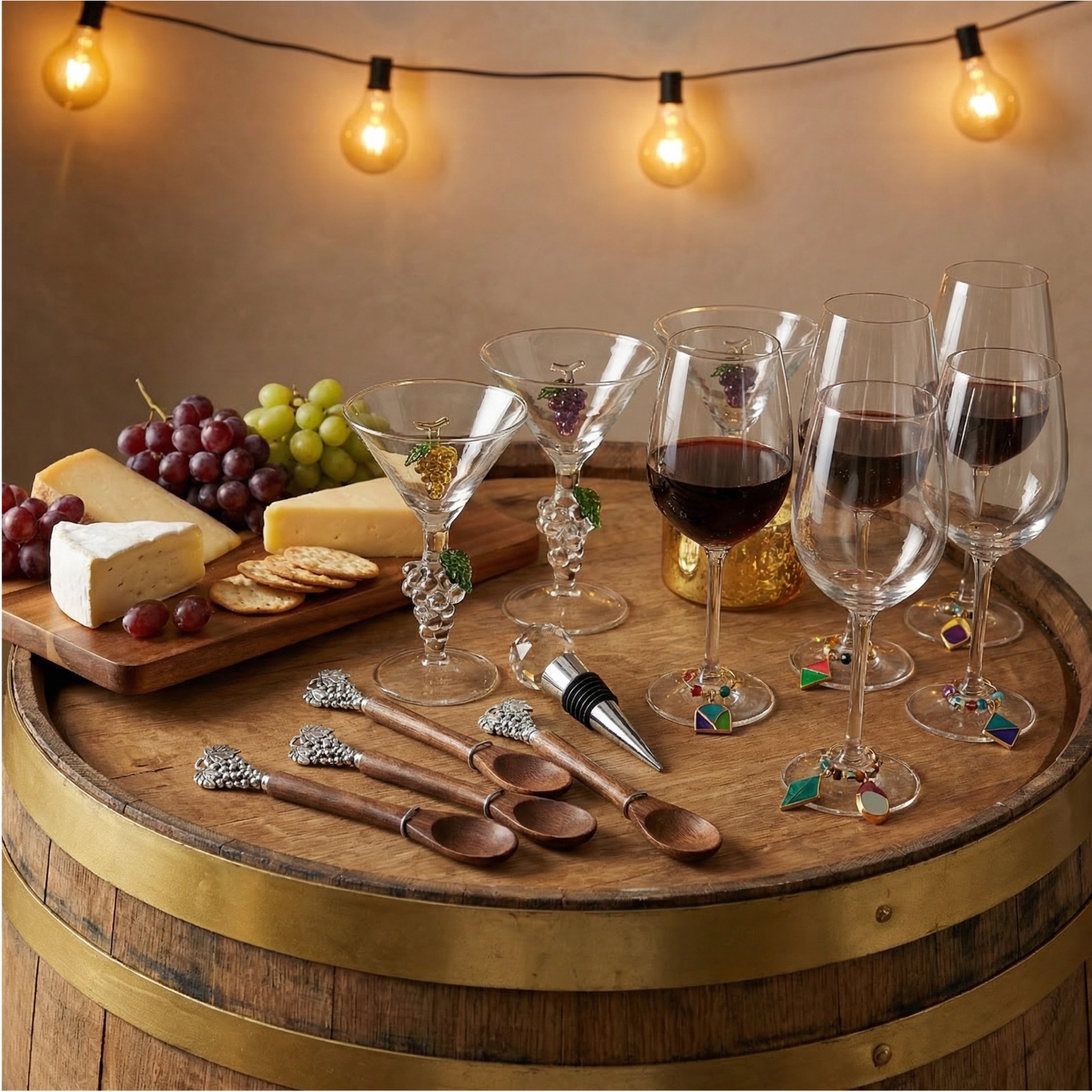
- Glassware gift combo set ready for Q1 2027 restock - iWine Yancheng factory
- Deadline 1 — Deposit by December 20, 2026 (ocean freight)
- • Production completes: mid-January, before the exodus
- Deadline 2 — Artwork approved by December 15, 2026 (Q1 private label)
- Match your situation to one of these four paths — each has its own deadline:
- Ocean FCL (20ft/40ft) $2,000–$5,000/container (peak surcharges +50–100%)
- 25–40 days + port The default. All planned Q1 volume.
- 30–45 days Mixed-SKU orders under a container load.
- Transparent pricing from our own factory — your benchmark when comparing suppliers for the Q1 window:
- Fill out the structured inquiry form — it auto-routes to the right sales rep based on your market.
- Certifications: FDA | LFGB | CE | UKCA | Prop 65 Compliant
- Past partners (anonymized): 50+ retailers across US, EU, AU, JP
- Month-by-Month Factory Capacity: What Your PO Competes Against
- • MOQ 300 pcs can be spread across mixed SKUs in one container
- • Every shipment includes a 2% breakage overage free of charge
- — real conversations with our sales team, fastest for custom OEM projects and freight-split decisions.
- — we reply within 24 business hours with FOB pricing, ocean/air landed-cost options, and compliance certs.